Authors Artworks
About the author
Vincas Andrius (Vincas Andriušis) is an artist whose connection to art was established in his early years, inspired and influenced by his father, whom he regards as an excellent mentor. He learned an important lesson at a young age: "Don't waste paper, don't waste paints!" This straightforward principle not only fostered discipline but also nurtured creative freedom, encouraging him to delve into his own artistic ideas without feeling constrained. Such formative teachings became the groundwork for his enduring enthusiasm for drawing and painting.
His structured involvement with art commenced in the first grade when his father signed him up for art classes. Nonetheless, Vincas considers that true, voluntary engagement with painting began when he turned 15, after reading books on the Impressionists’ lives, especially those by Henri Perouche, as well as Irving Stone’s "The Lust for Life," a novel centered around Vincent van Gogh. These works stirred a passionate enthusiasm within him, compelling him to paint tirelessly, fully engrossed by the inspiration found in these stories.
Vincas Andriušis underwent thorough academic training at the private studio of Vytautas Pečiukonis (Agnus Alegrus), a prominent artist and educator. He recalls this period with affection, as the always-open studio doors allowed him to dedicate himself deeply to his academic drawing and painting studies. This supportive yet demanding setting played a significant role in shaping his growth as a painter, helping him hone both his abilities and artistry.
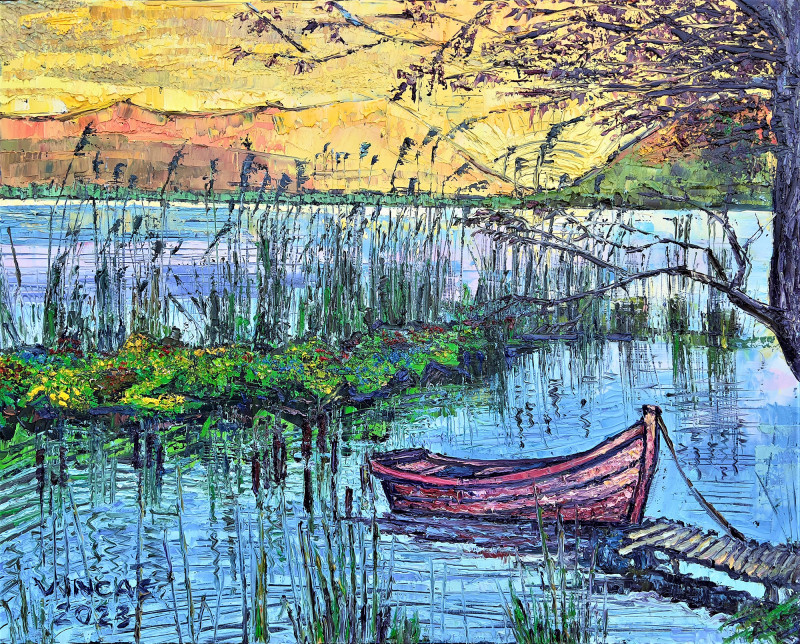
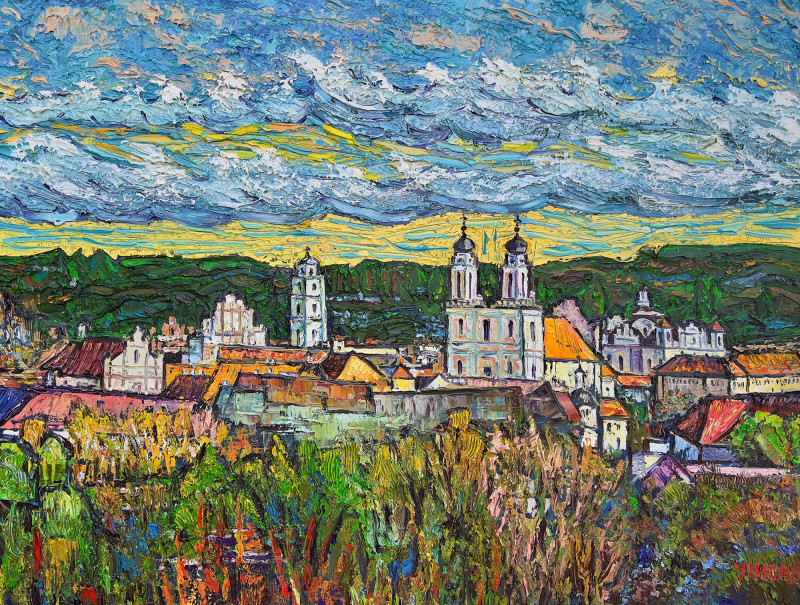
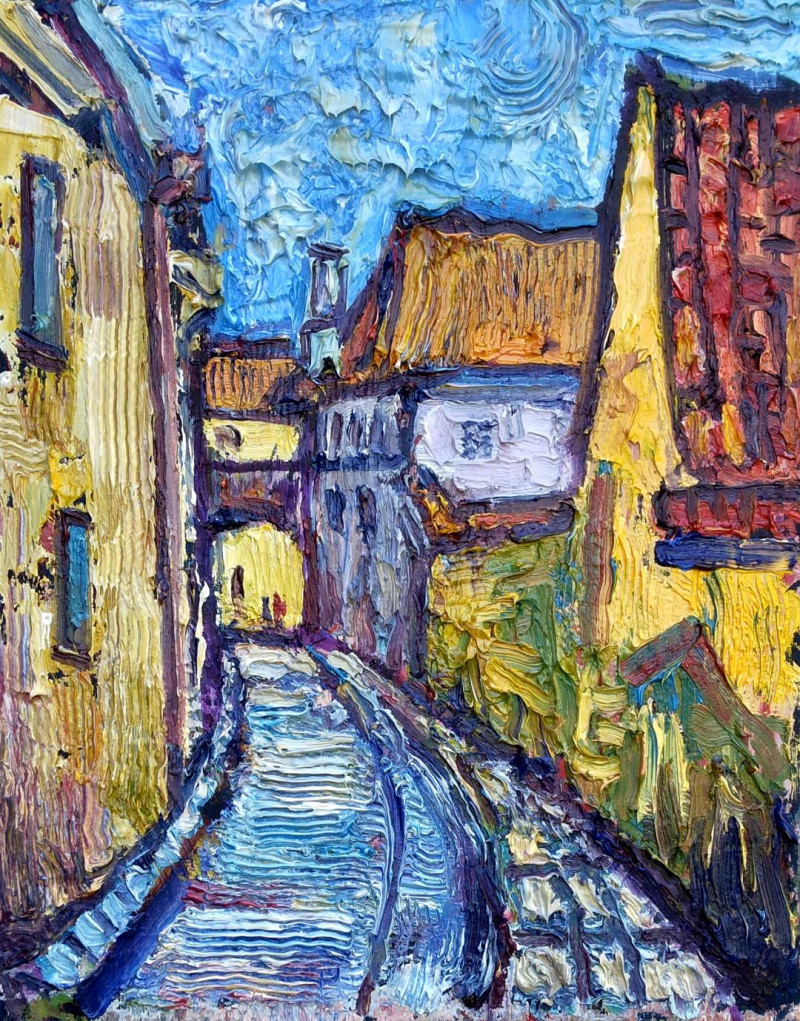
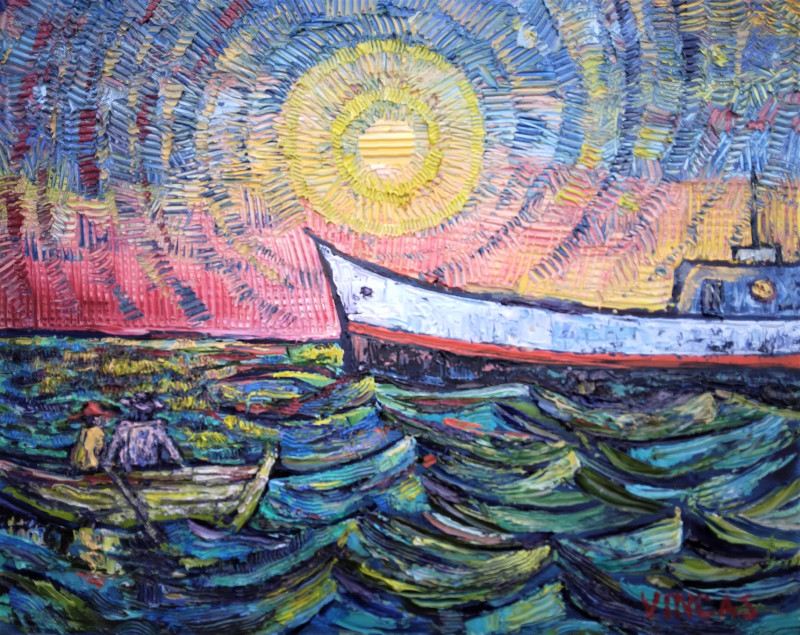
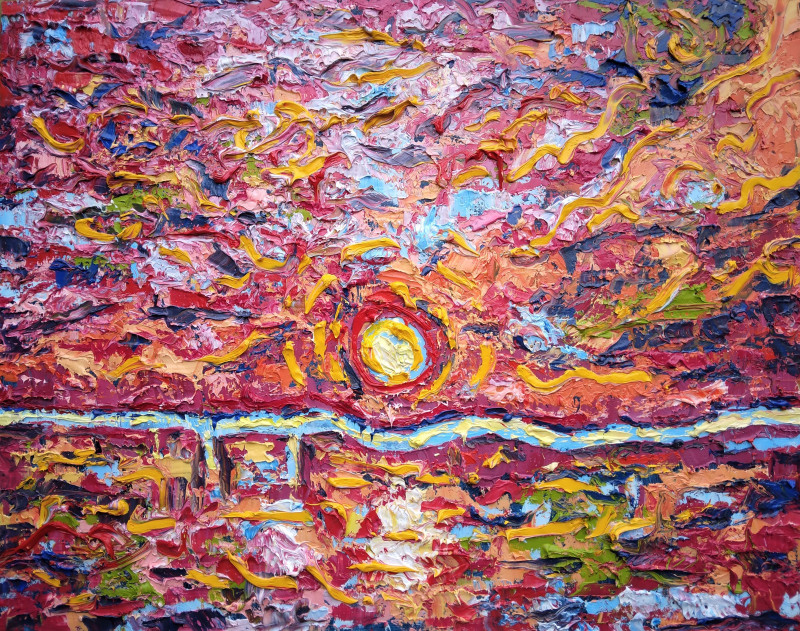
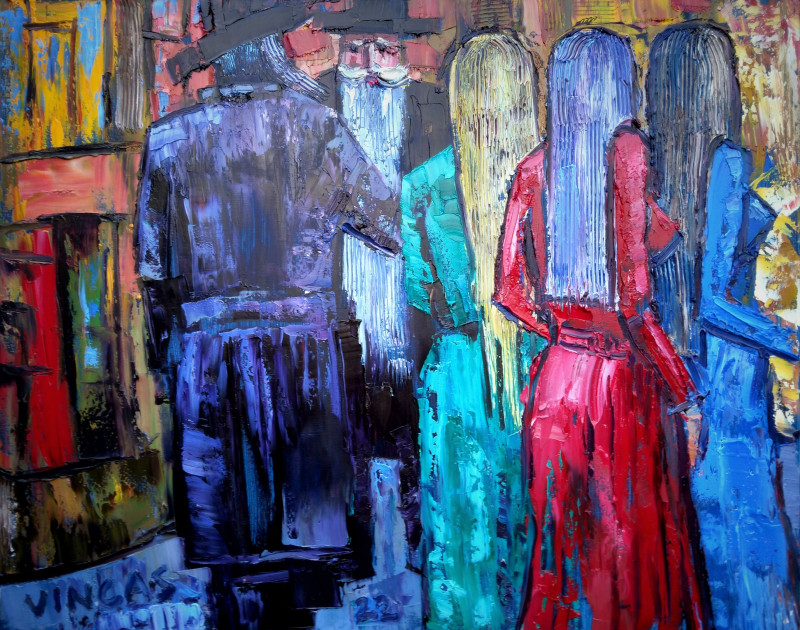
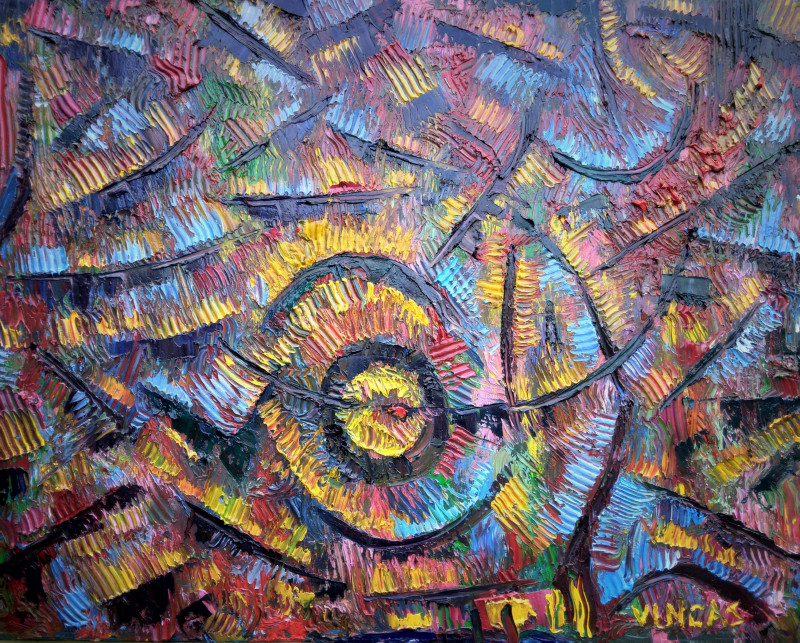
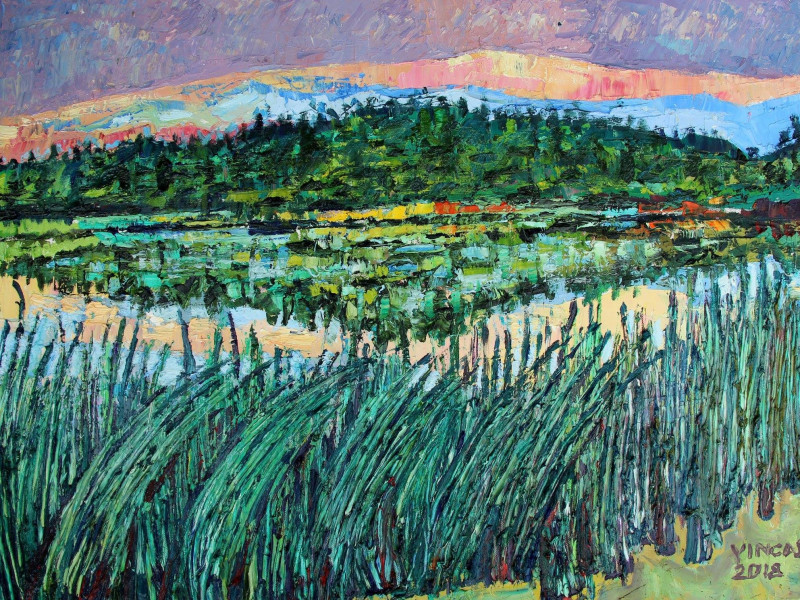
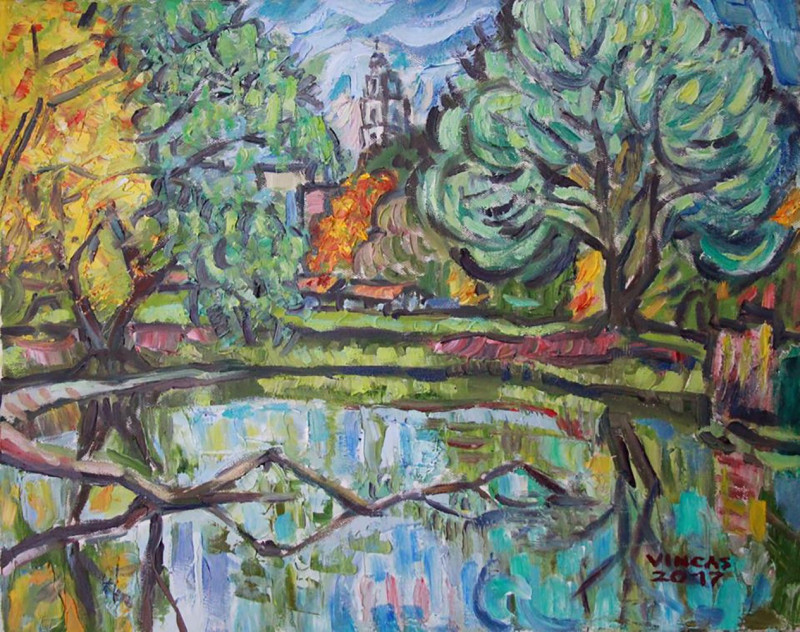
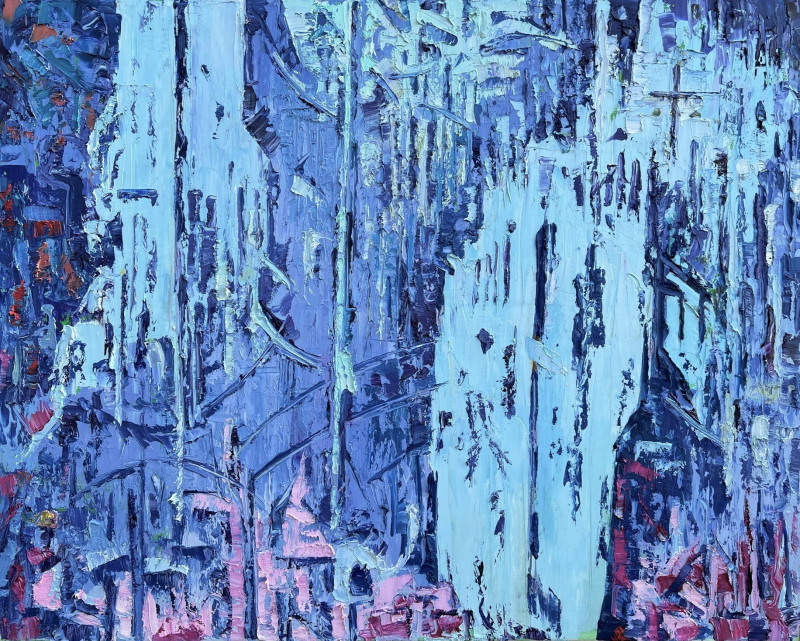
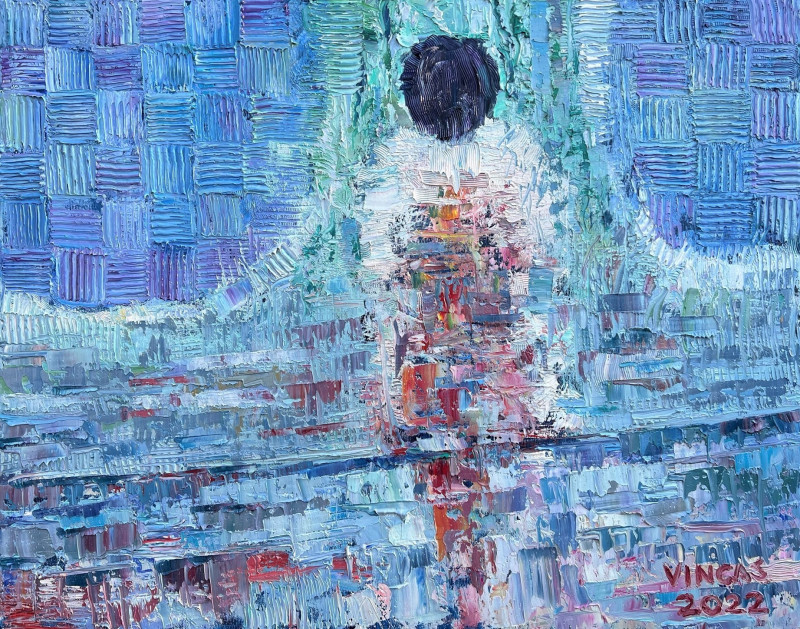
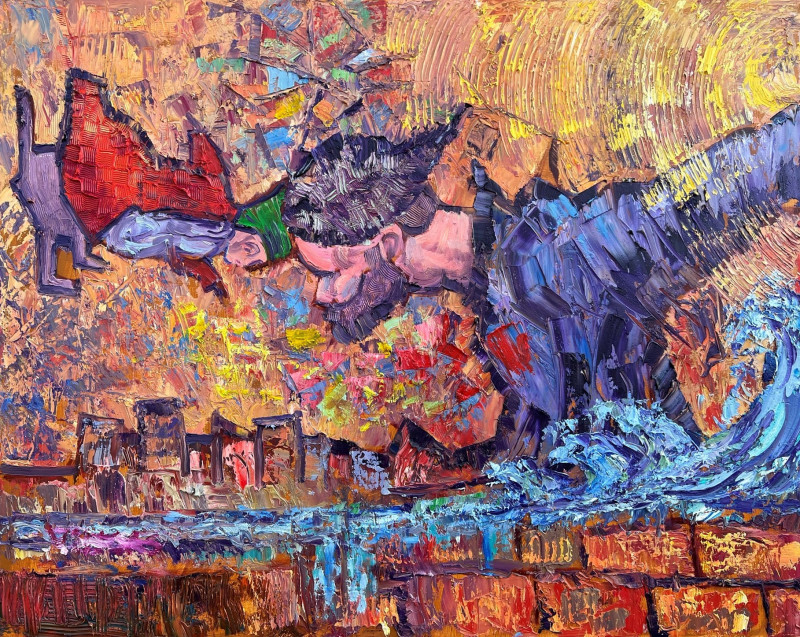
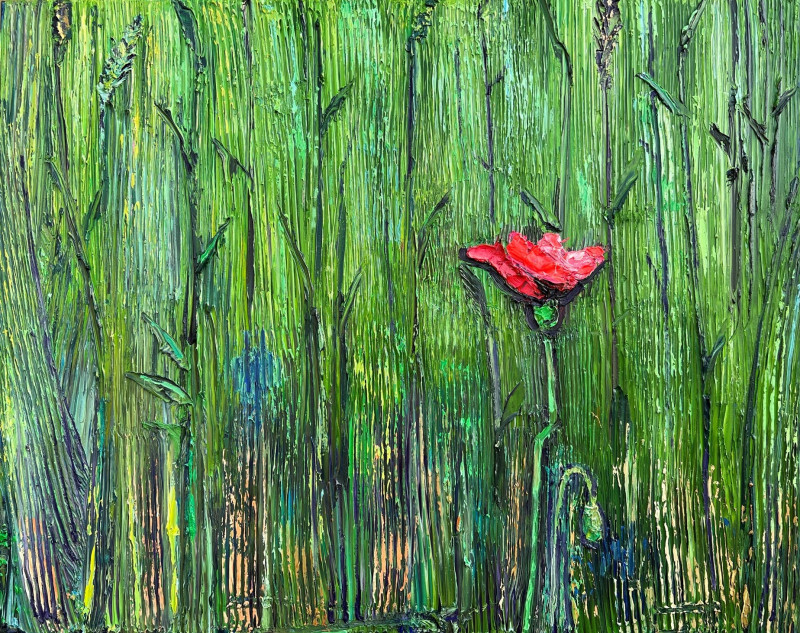
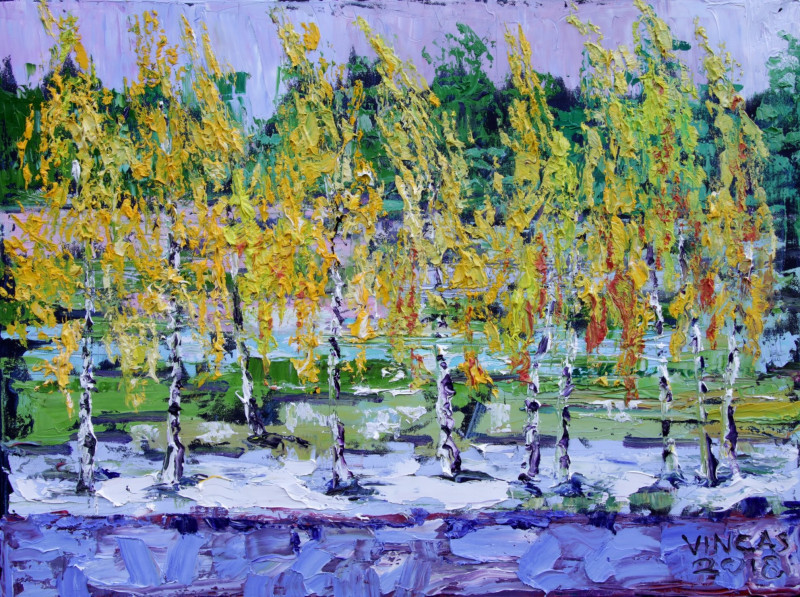
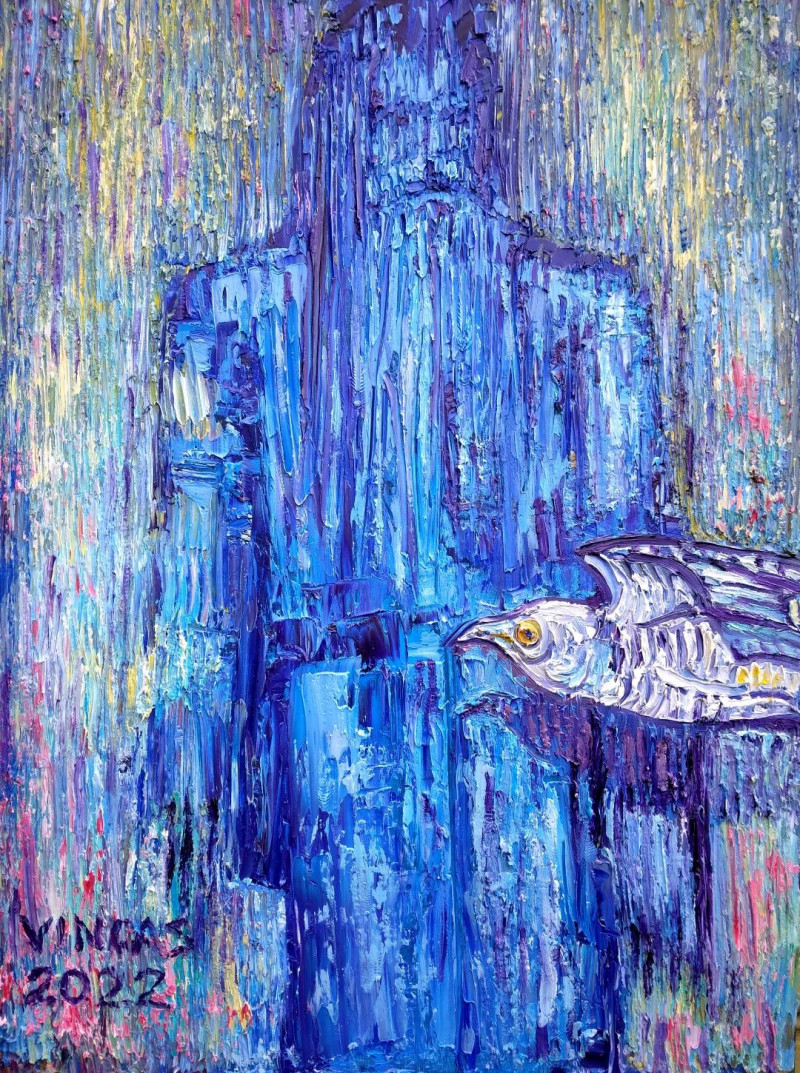
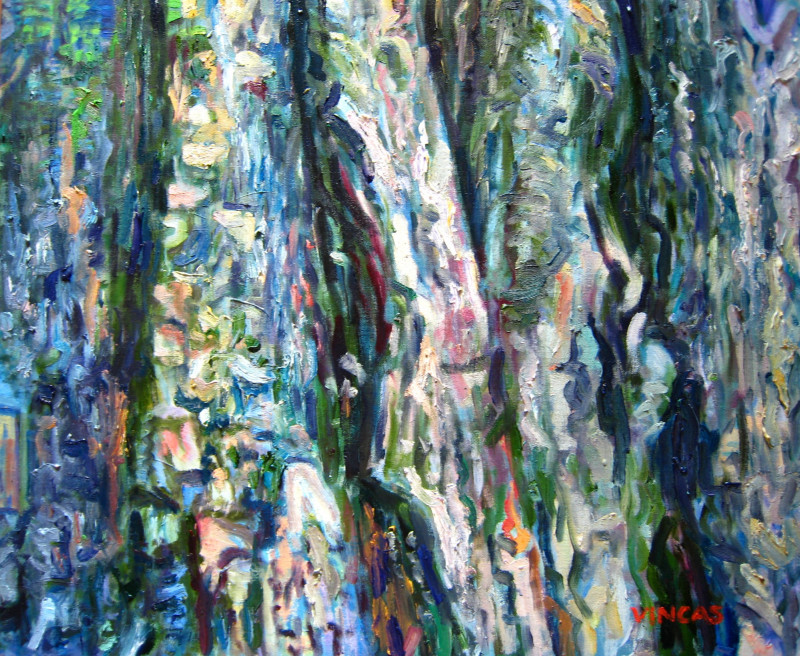
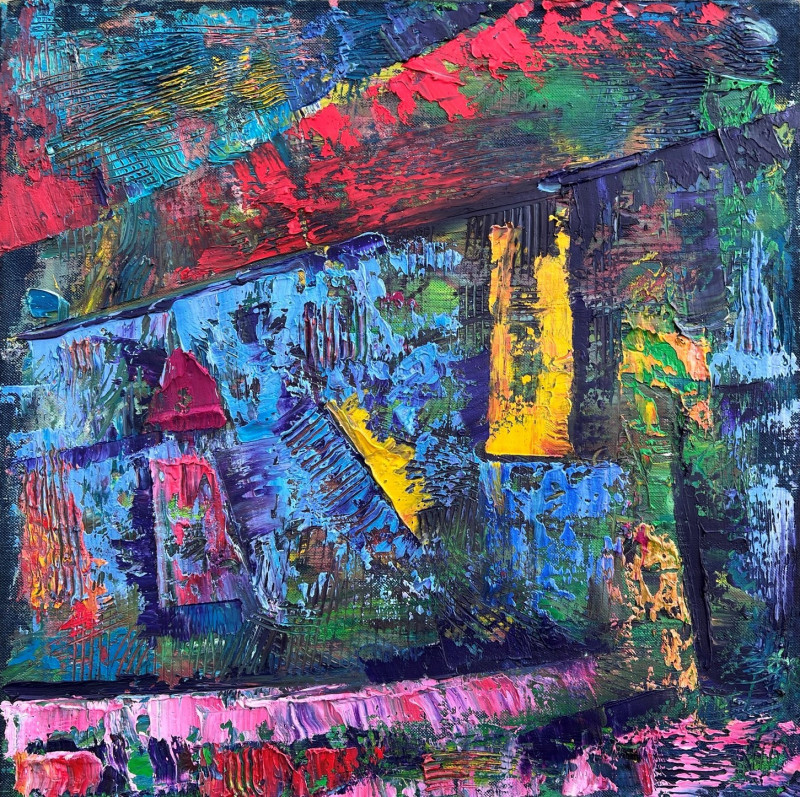
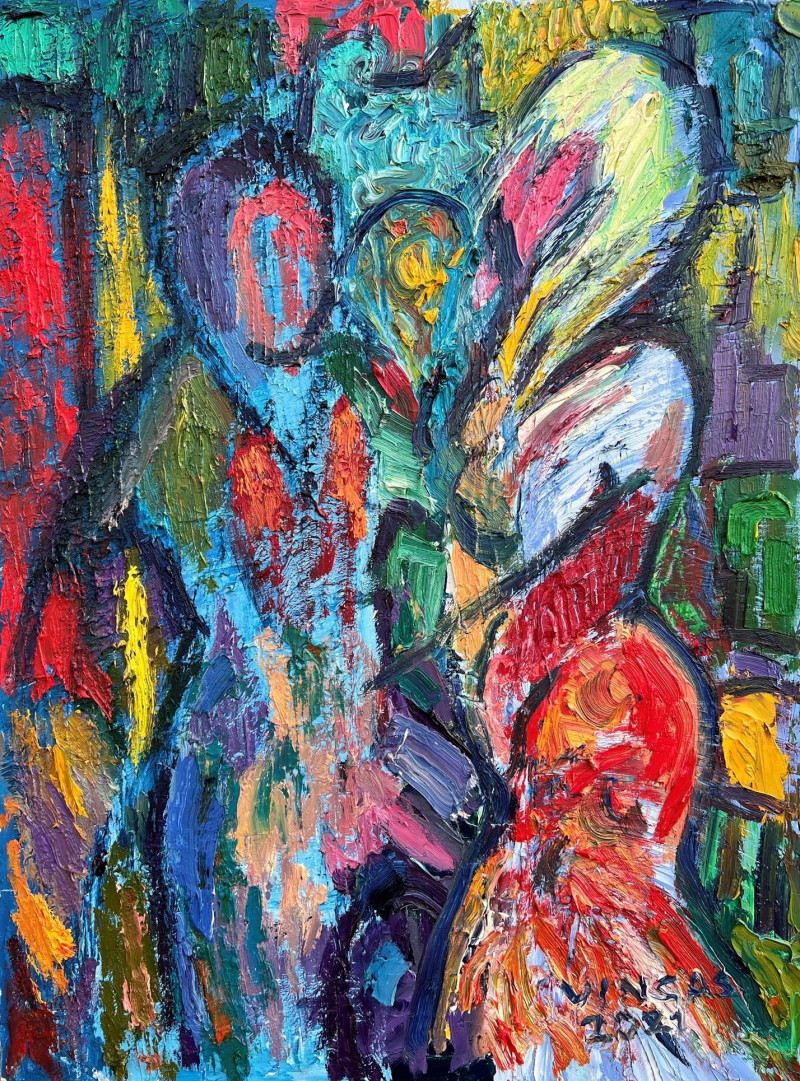
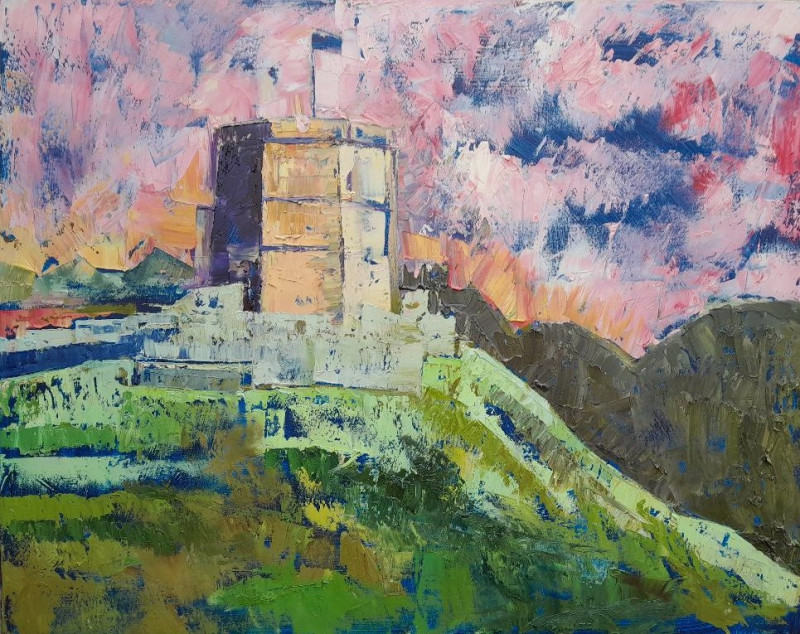
More than anything, Andriušis insists that painting must "breathe"—that an artwork should retain liveliness and not be overworked. He favors rapid progress, completing paintings in a single sitting while his feelings remain immediate, echoing the energetic approach of the Impressionists and Expressionists he admires. His transition to working with a spatula brought an even greater sense of freedom, enabling him to render dynamic textures and details as he often paints straight from observation in nature. His landscapes are distinguished by swift, vivid brushstrokes and luminous colors, demonstrating both his reverence for Van Gogh and his devotion to expressing the vibrant drama and shifting light found in the natural world.