Authors Artworks
About the author
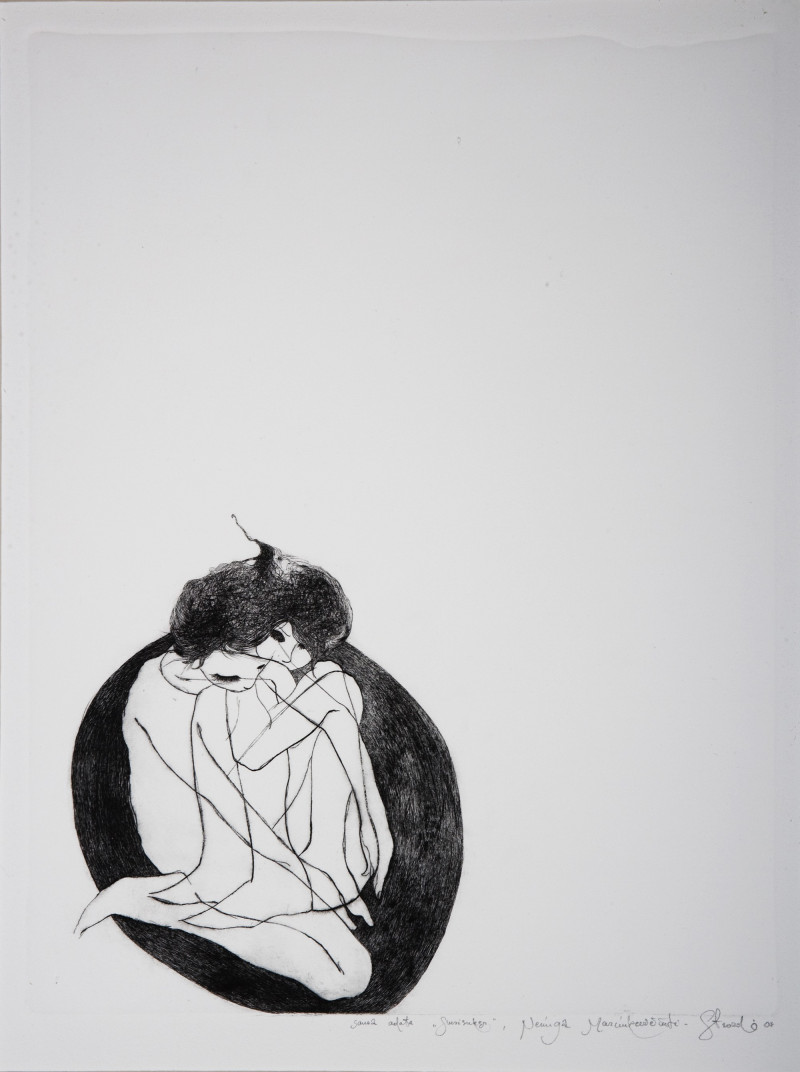
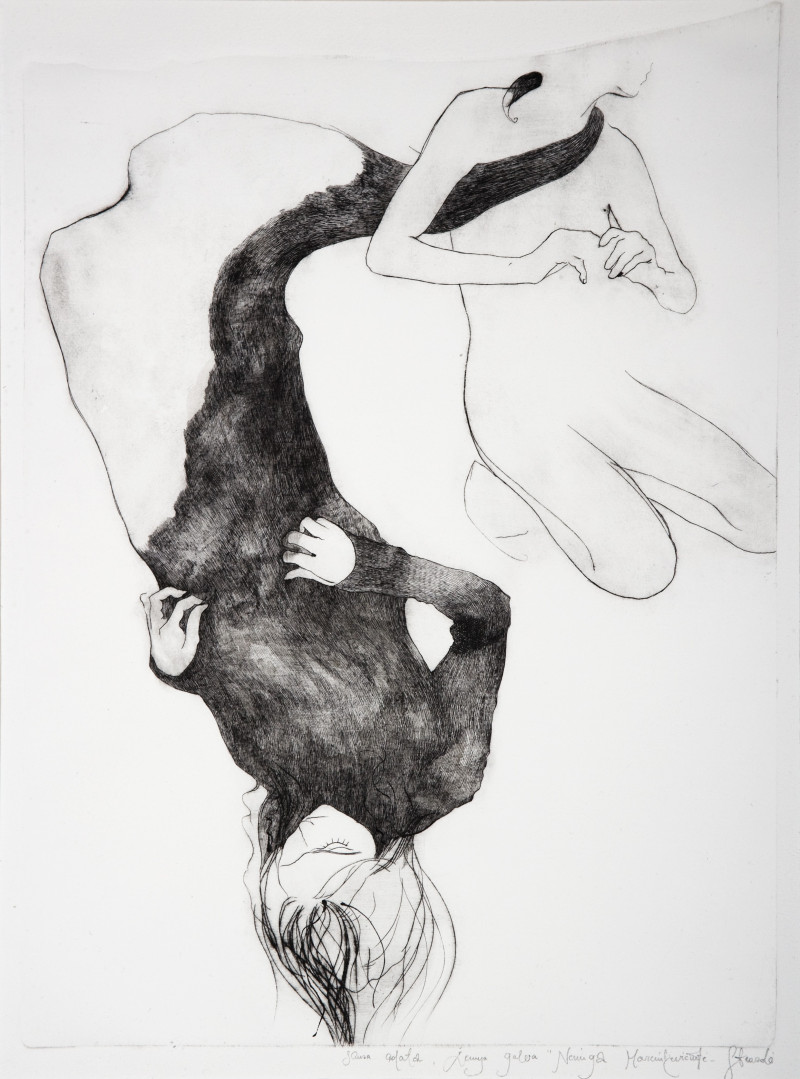
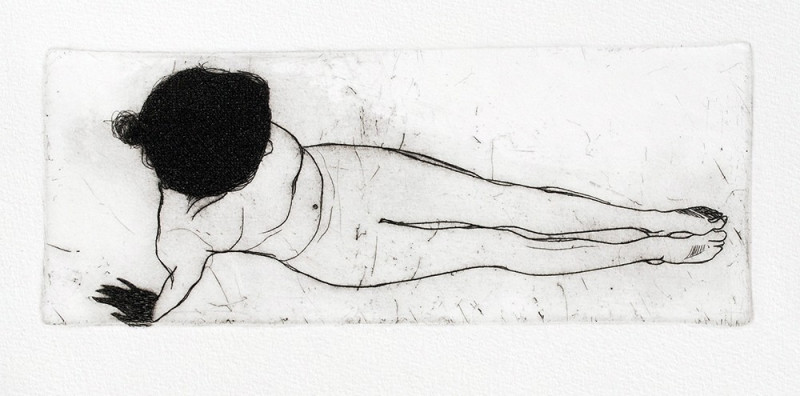
Neringa Marcinkevičiūtė-Strazdė is a graphic artist known for her minimalist style and contemplative effect. By employing spare lines in her works, she creates room within the gallery space, allowing both the environment and the viewer's thoughts to "breathe" and inviting a sense of calm reflection. Interacting with her pieces becomes an open-ended dialogue—a conversation that unfolds into pauses and silences. Such an atmosphere encourages each viewer to bring in their own experiences, instinctively continuing a quiet internal exchange with the artist or themselves.
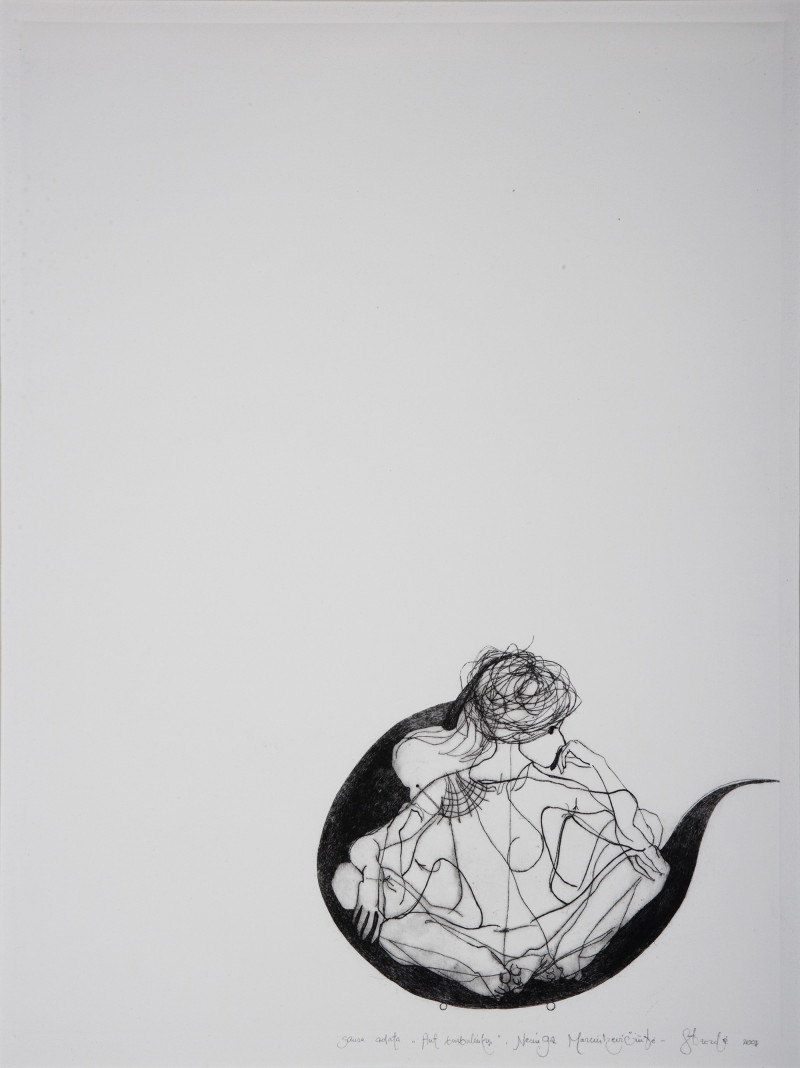
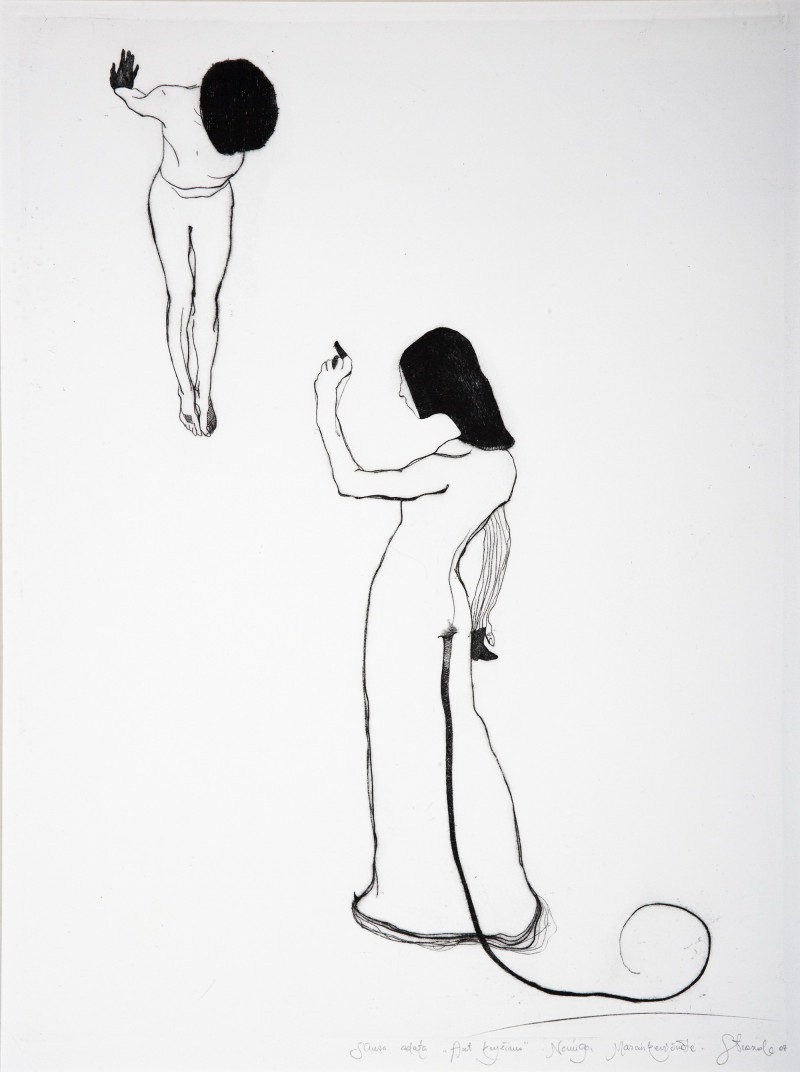
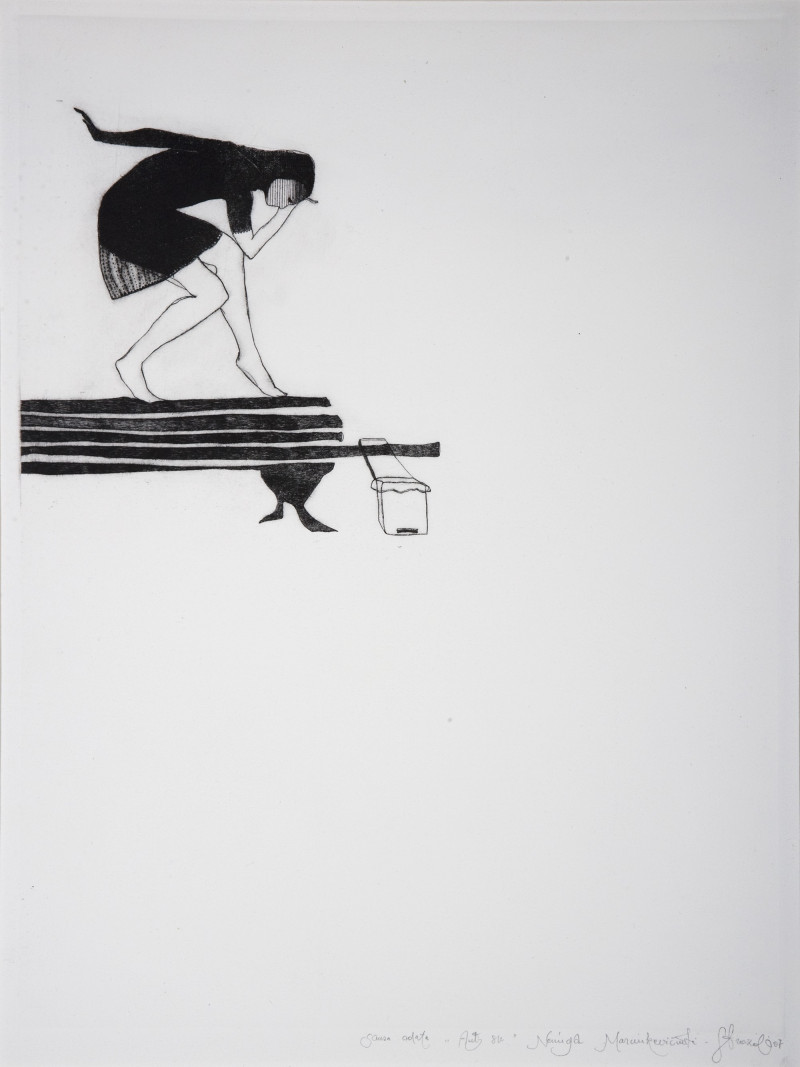
Neringa Marcinkevičiūtė-Strazdė’s artistic practice centers on exploring emptiness, space, and silence, guided by the belief that "less is better than too much." She is conscious of the fast pace and relentless busyness that modern life imposes, and her work offers a gentle retreat for herself and her audience. She is deliberate in eliminating unnecessary elements, choosing instead to maintain clarity and openness in her compositions. The avoidance of visual clutter draws attention to the power of what is omitted—those parts left unsaid or undrawn.
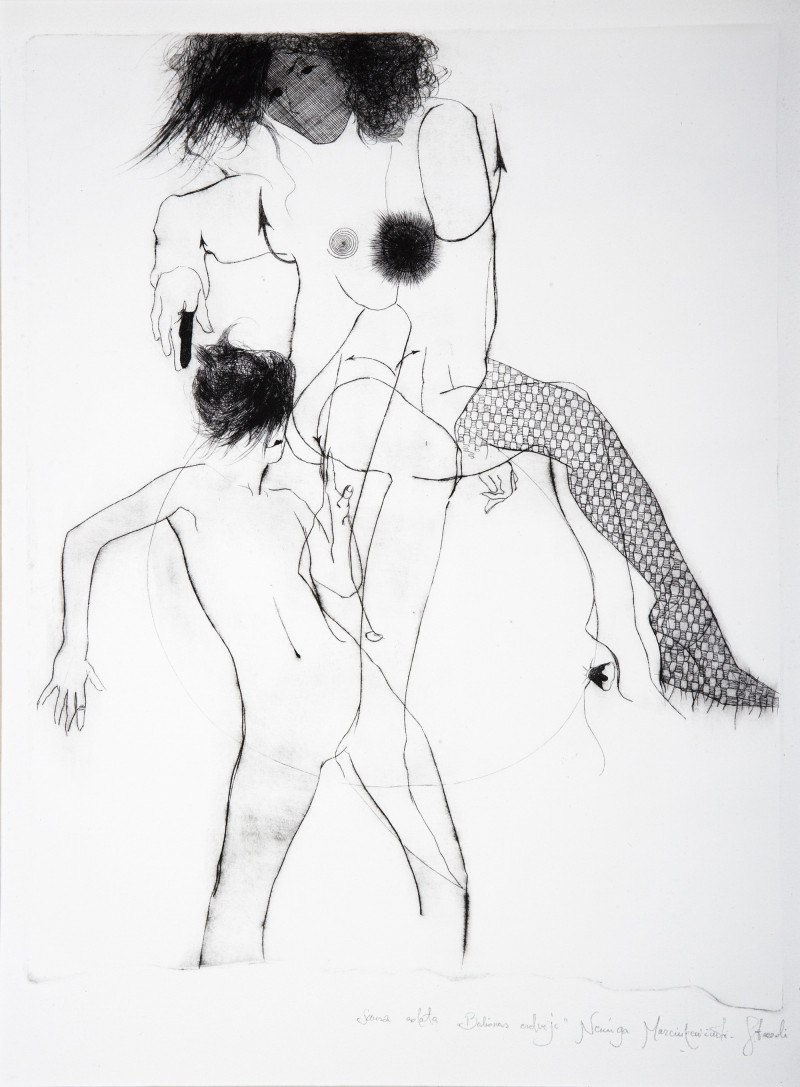
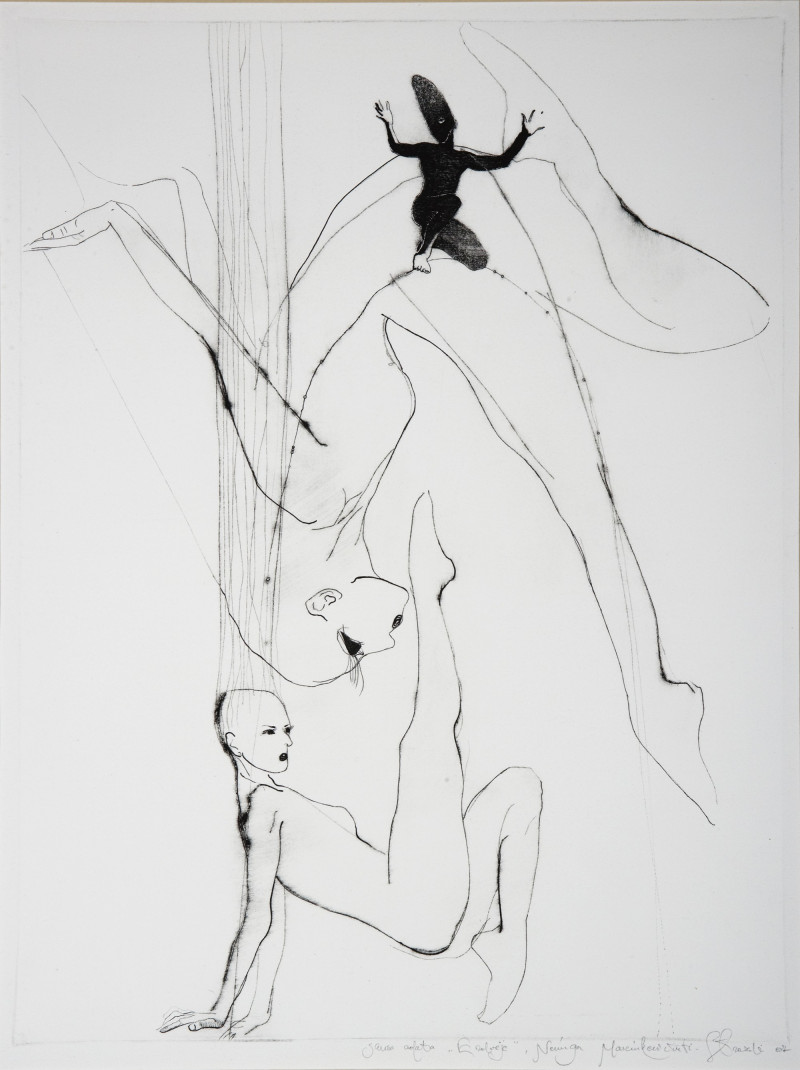
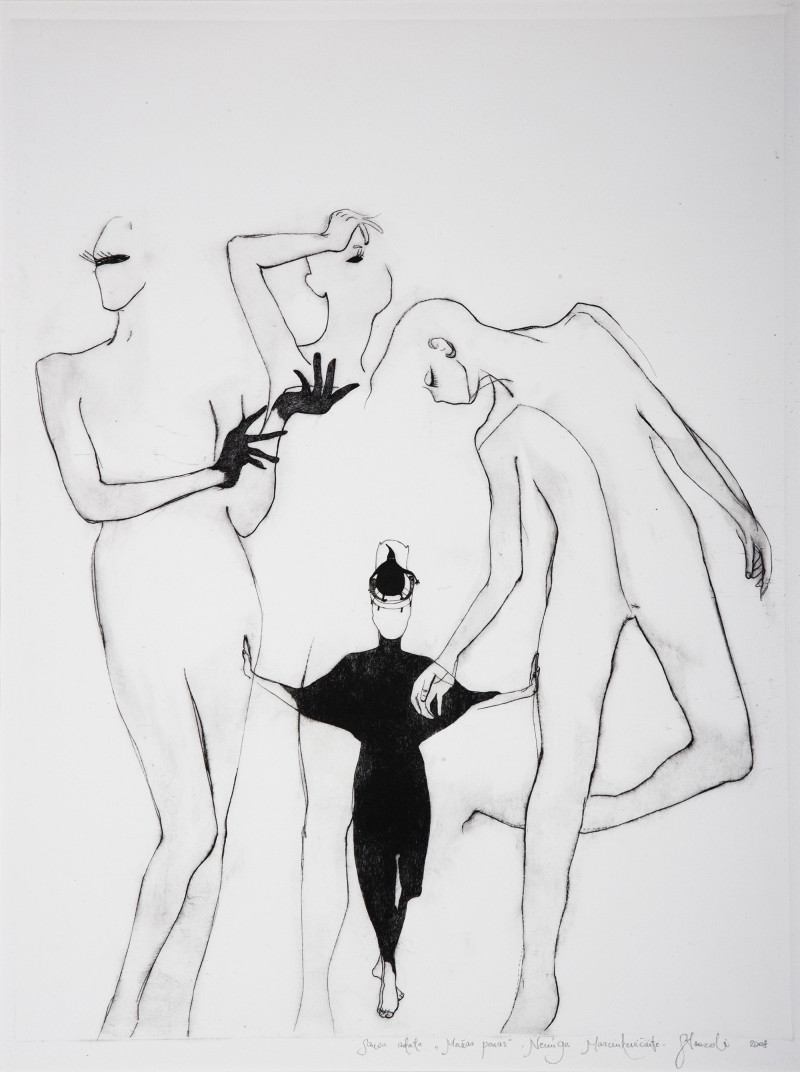
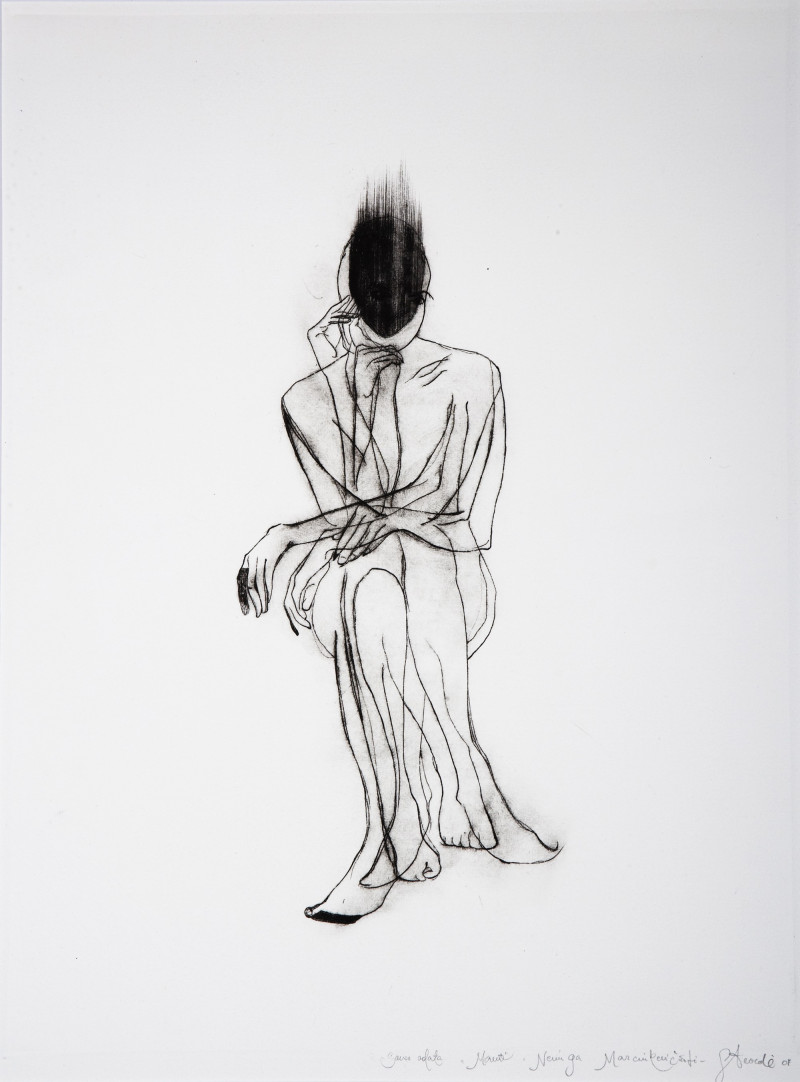
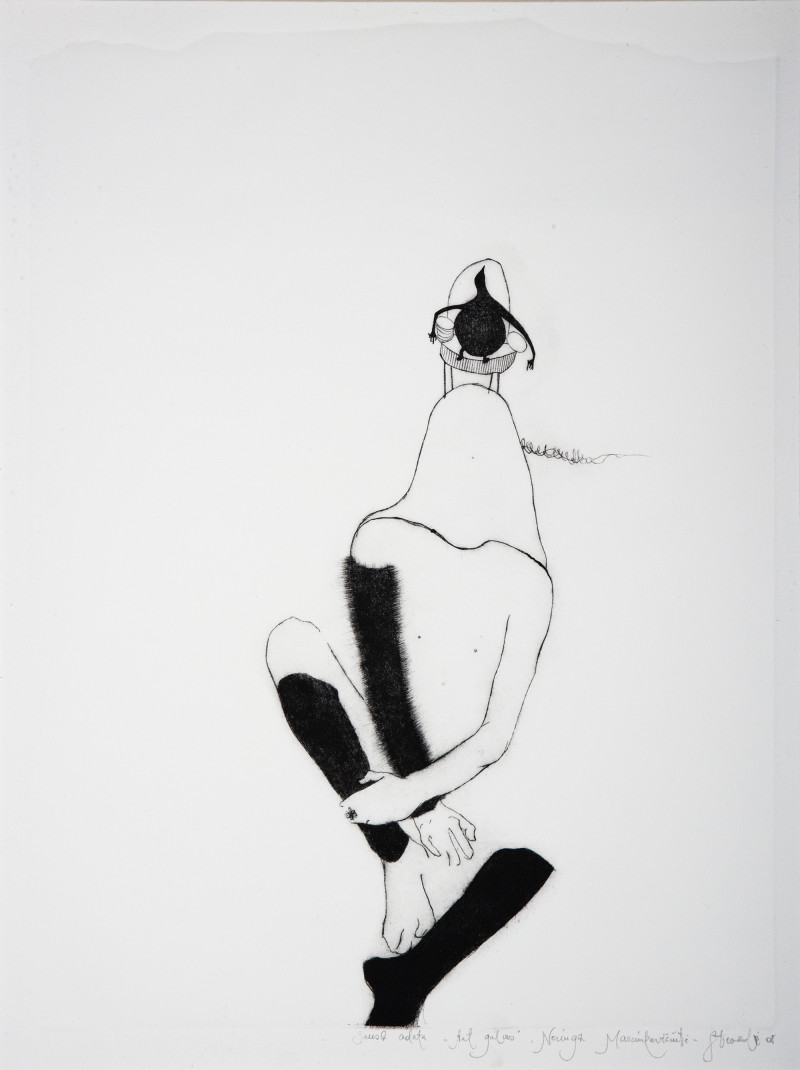
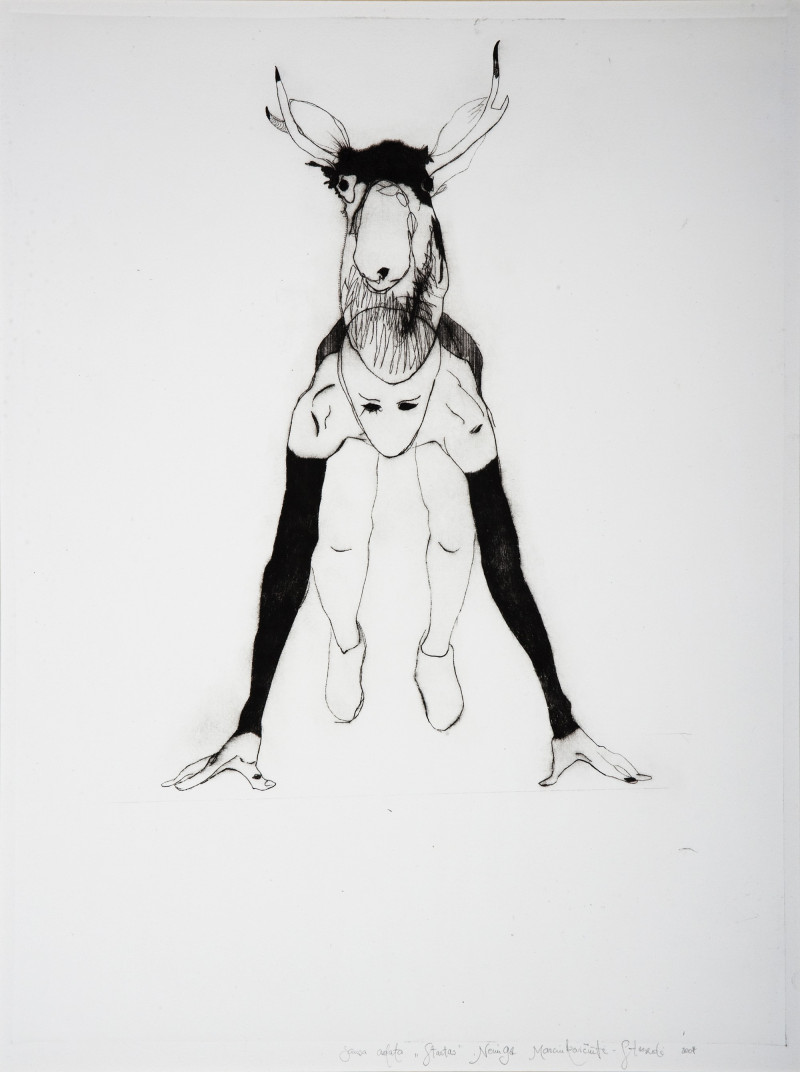
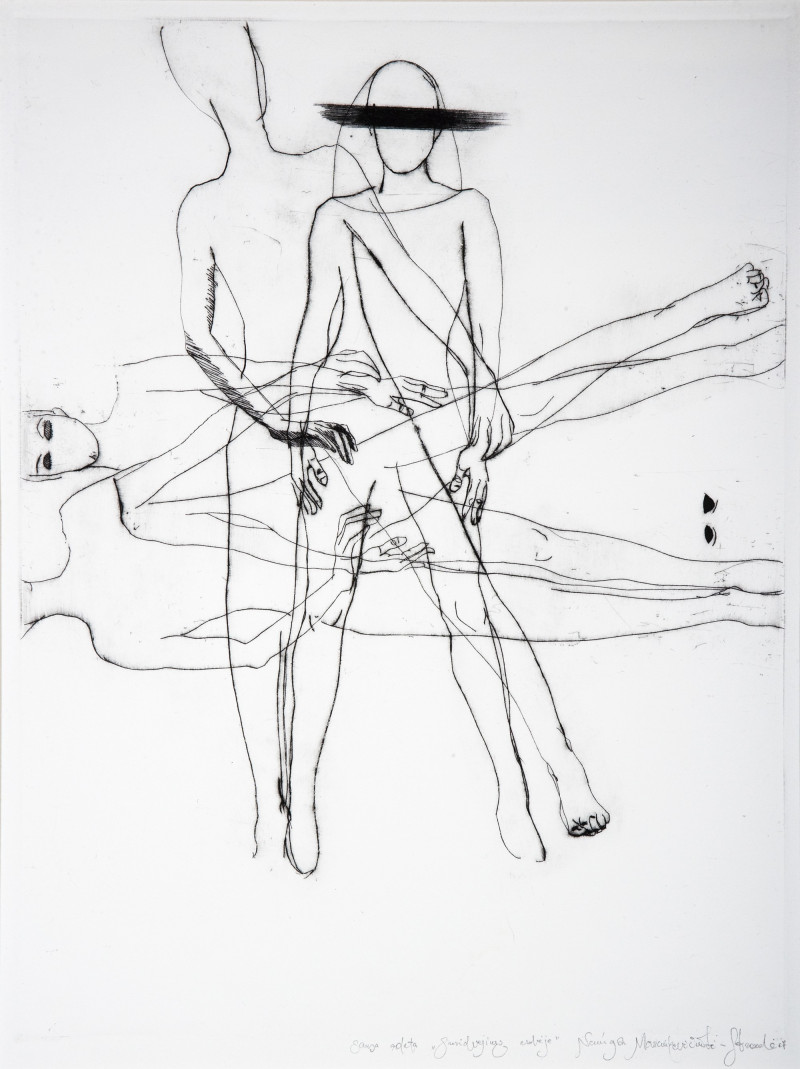
Lately, Neringa has turned her attention to the human form, which she conveys as both isolated and within groups. The figures she draws exhibit elegance and appear absorbed in their own world, detached from their surrounding context. Though tranquil in appearance, these subjects express individuality and complexity, hinting at a range of roles, dimensions, and different personalities contained within each one.
Through her subtle renderings, Neringa Marcinkevičiūtė-Strazdė explores the idea of inner conflict—her figures represent numerous facets existing within a single self, yet beneath it all is the core identity and a primal, natural human essence seeking to surface. With subtlety and grace, her art invites contemplation on personal identity and the fine balance between the revealed and concealed elements of existence.
Lithuanian Artists’ Association Member
This artist was acknowledged by the Ministry of Culture of the Republic of Lithuania