Authors Artworks
About the author
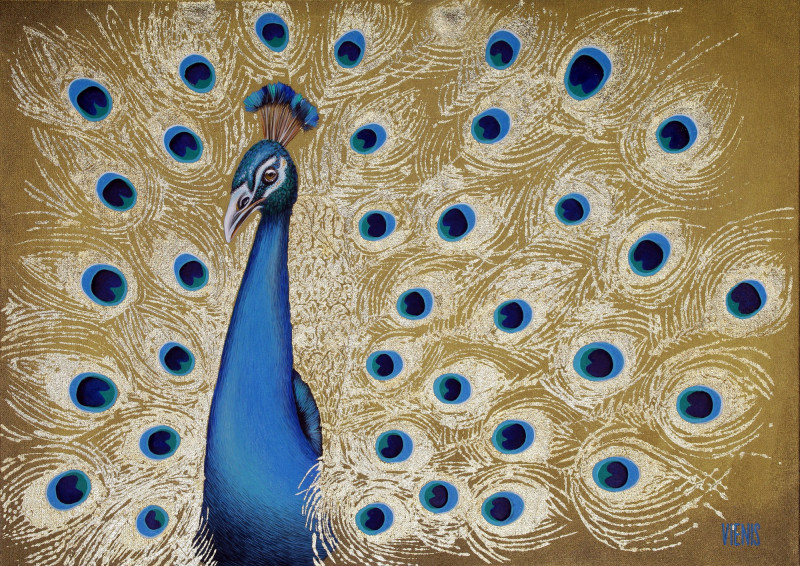
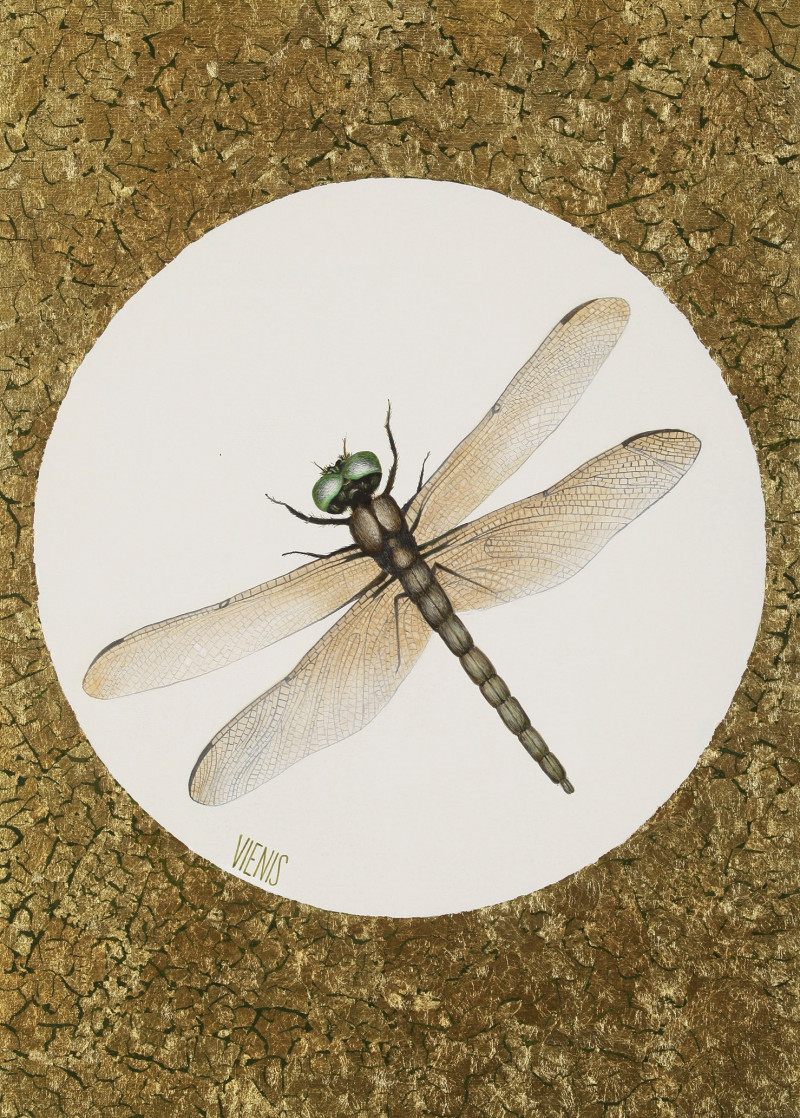
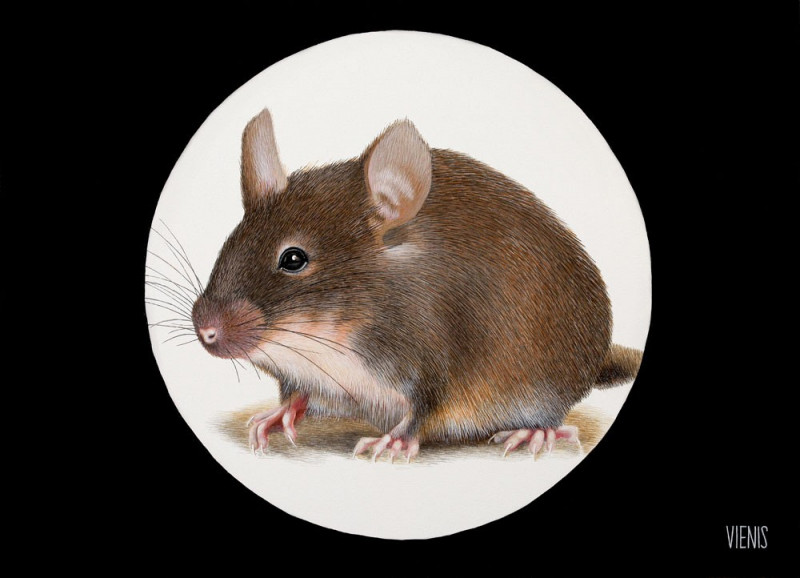
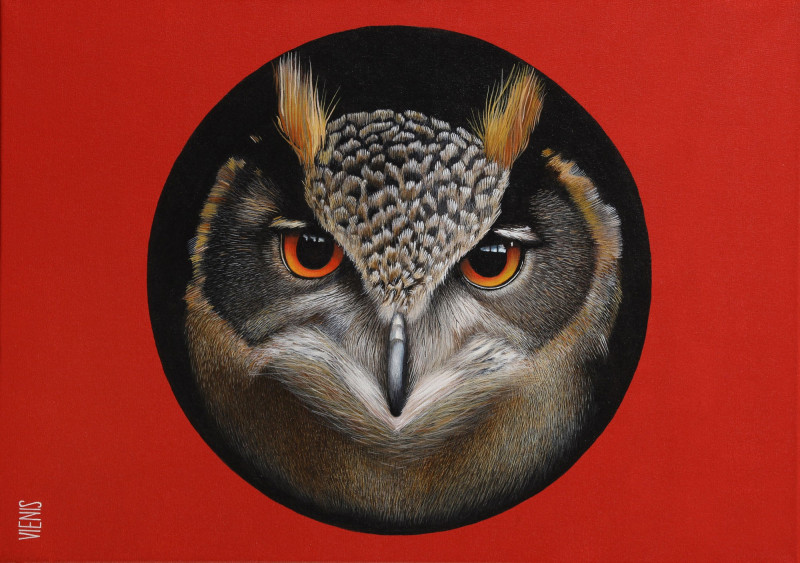
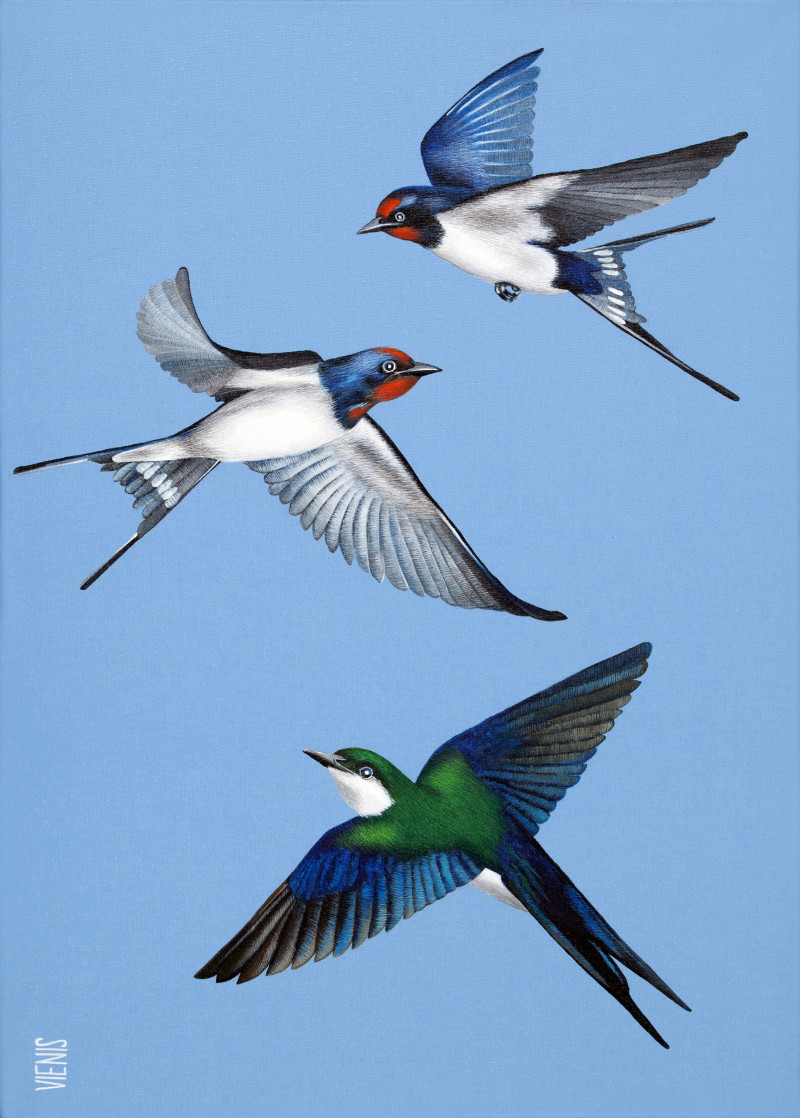
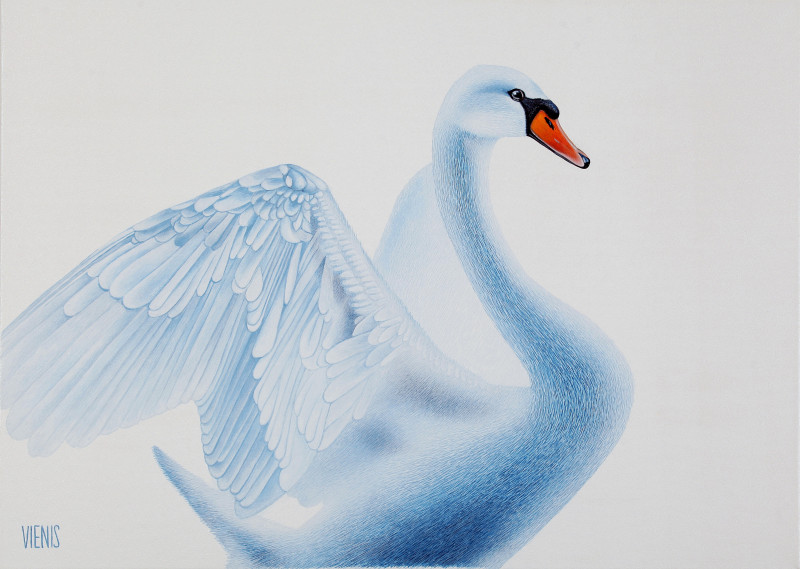
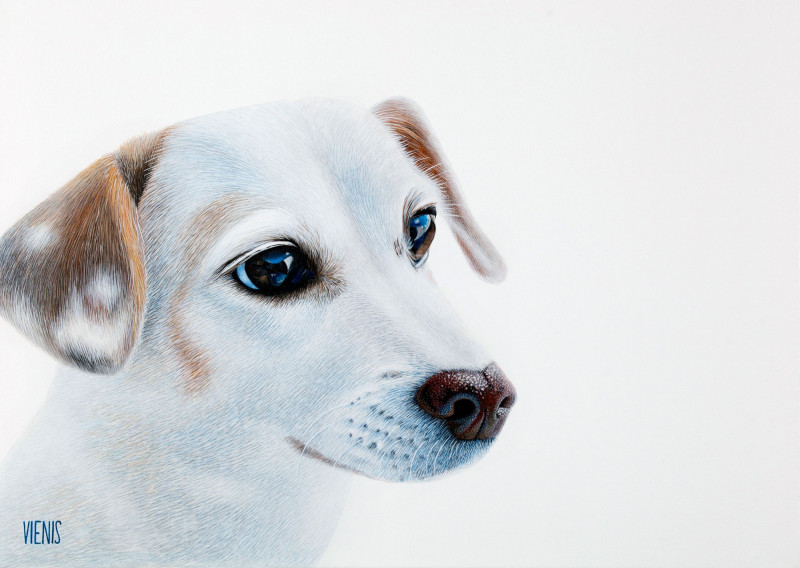
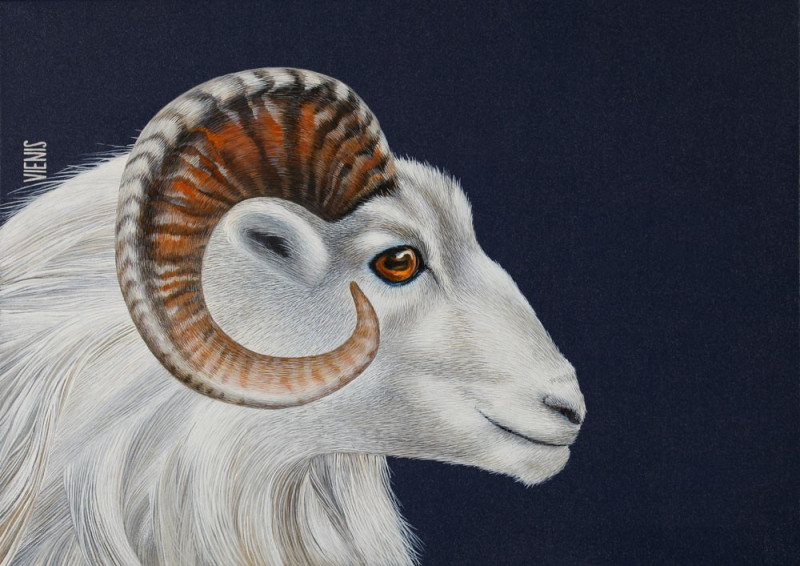
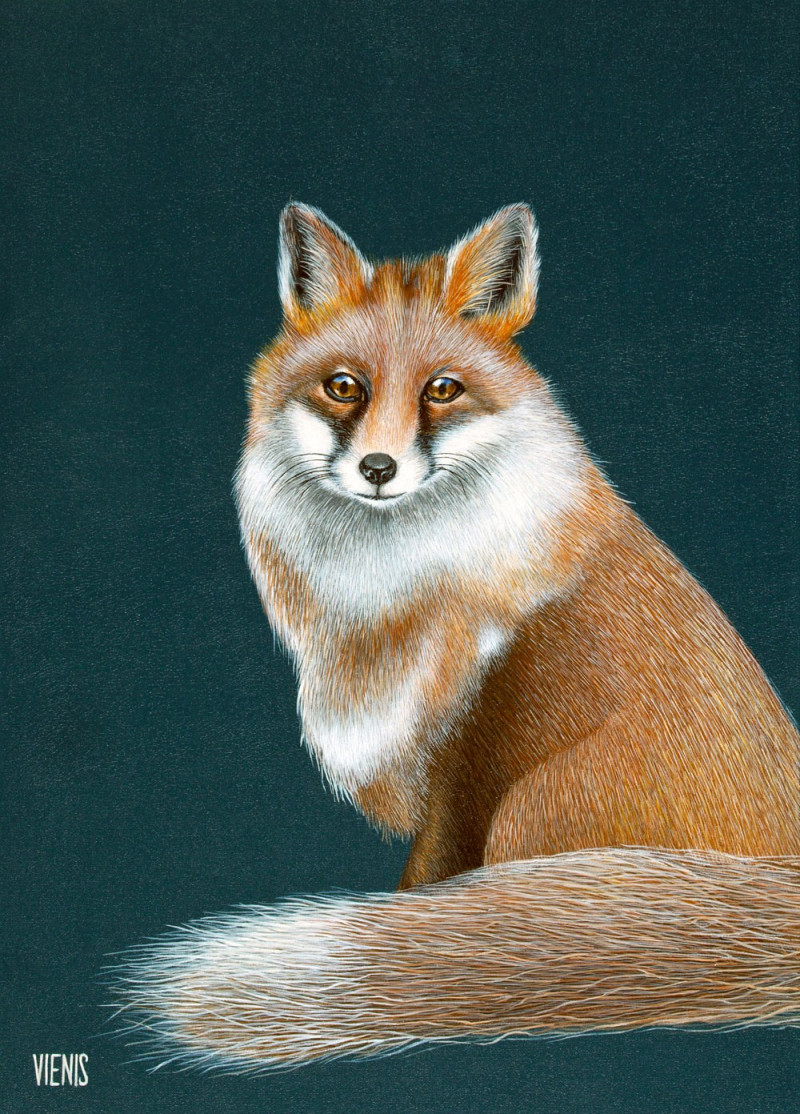
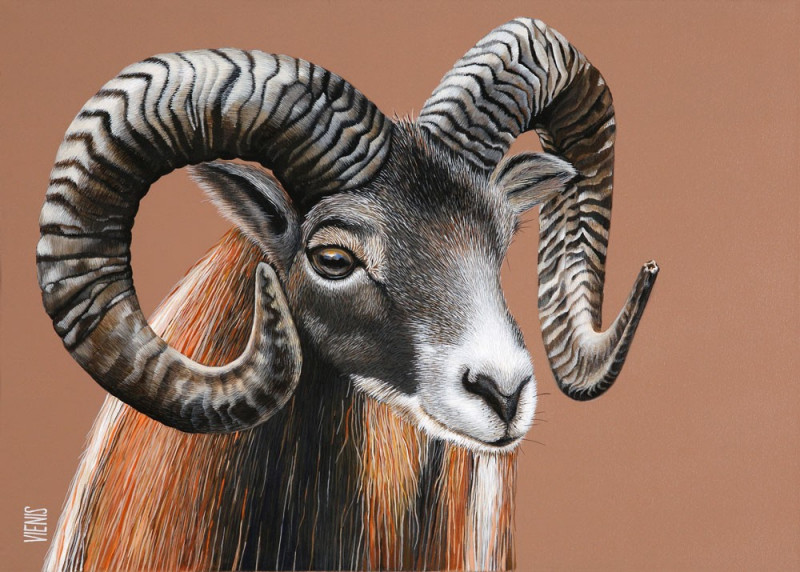
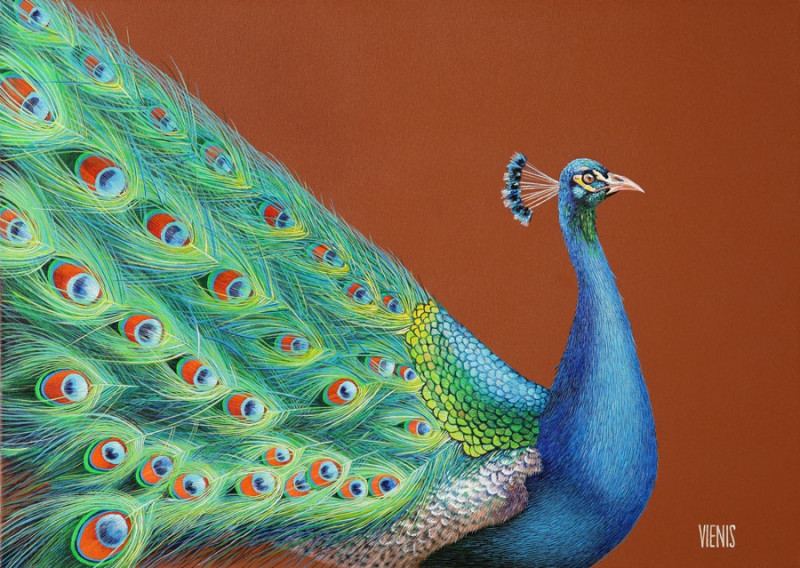
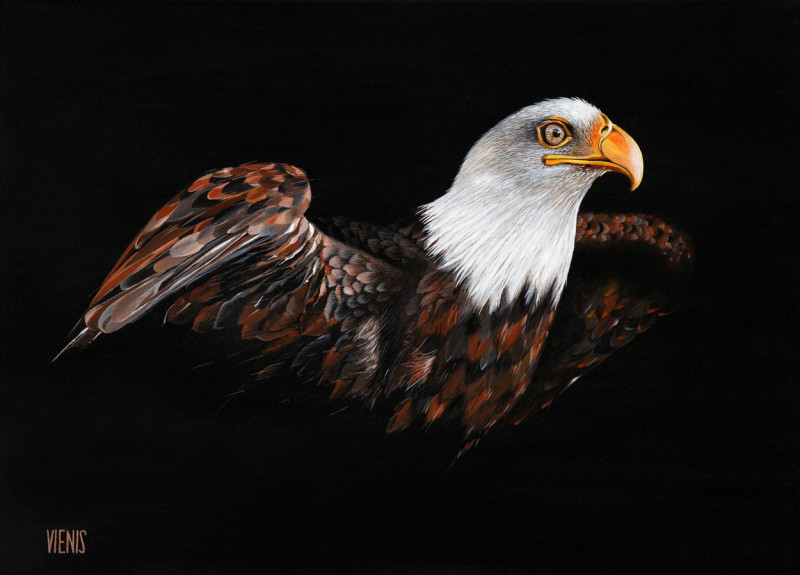
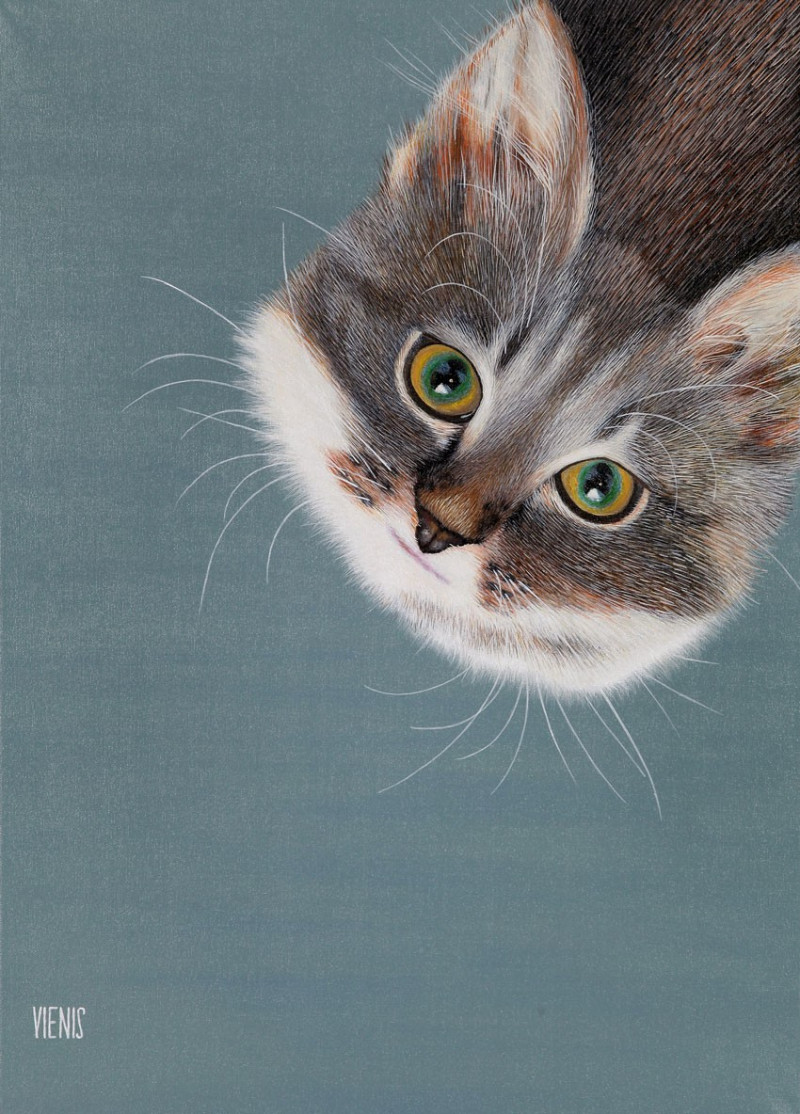
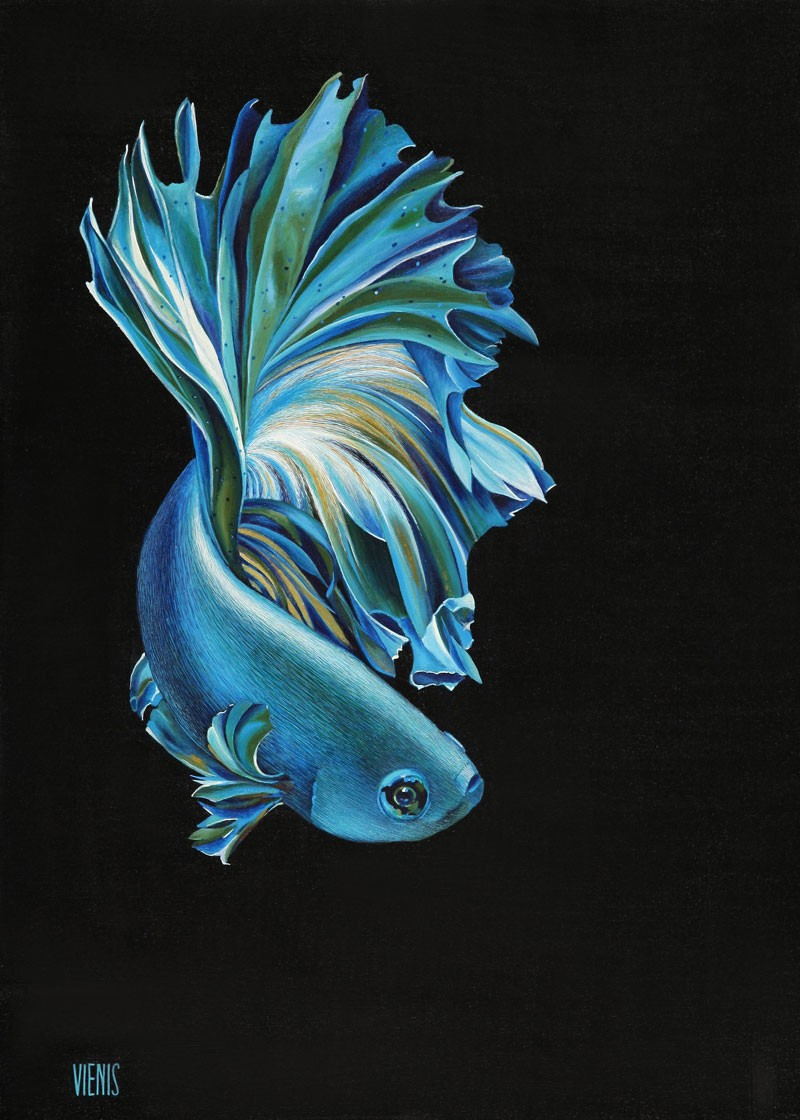
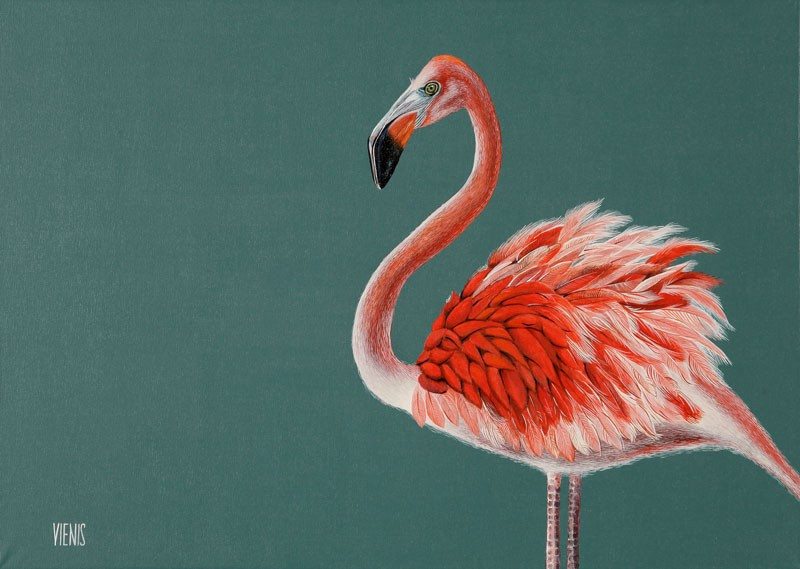
Laima Žeimienė Vienis is an artist whose painting is distinguished by two contrasting approaches. On one side, she is acclaimed for her mastery of photographic realism, especially in her portrayals of animals. These pieces stand out for their painstaking precision, with each strand of fur and every feature meticulously rendered to convey the authentic vitality and allure of her subjects. The artist herself notes that her goal is to depict "pure earthiness, the fleshly form, the animalism," striving to present lifelike images without any hint of fantasy or exaggeration.
Žeimienė Vienis compares her creative process to a near-scientific endeavor, regarding her studio as a kind of laboratory where she "grows animals hair by hair." Her unwavering commitment to accuracy is evident in her consistently meticulous brushwork, as she aims to achieve a photographic finish that faithfully reflects the intricate beauty and perfection inherent in nature. Through her realism, she seeks to celebrate genuine creatures in all their detailed individuality, rather than rising above reality itself.
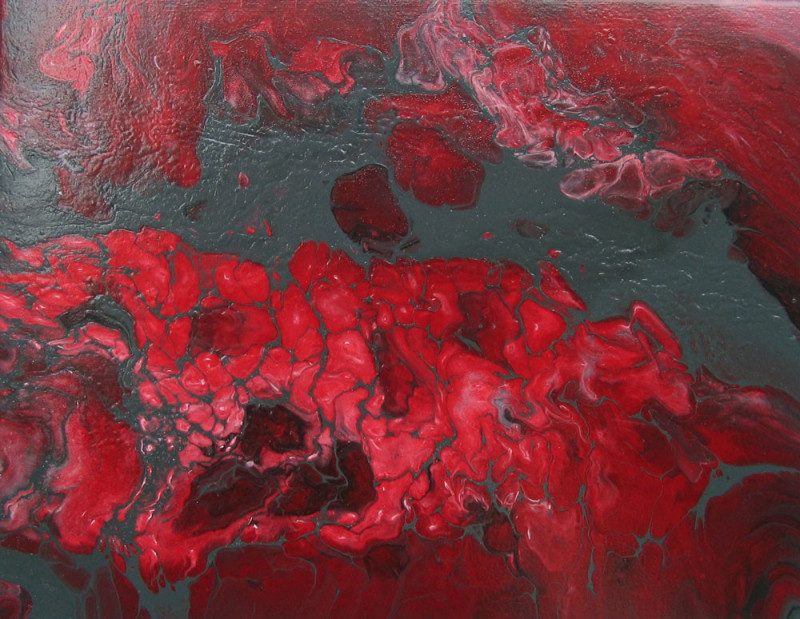
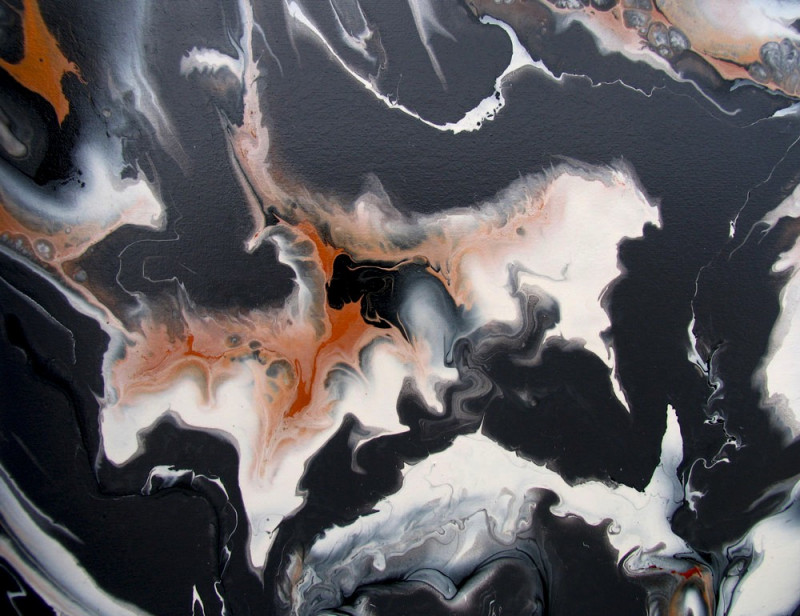
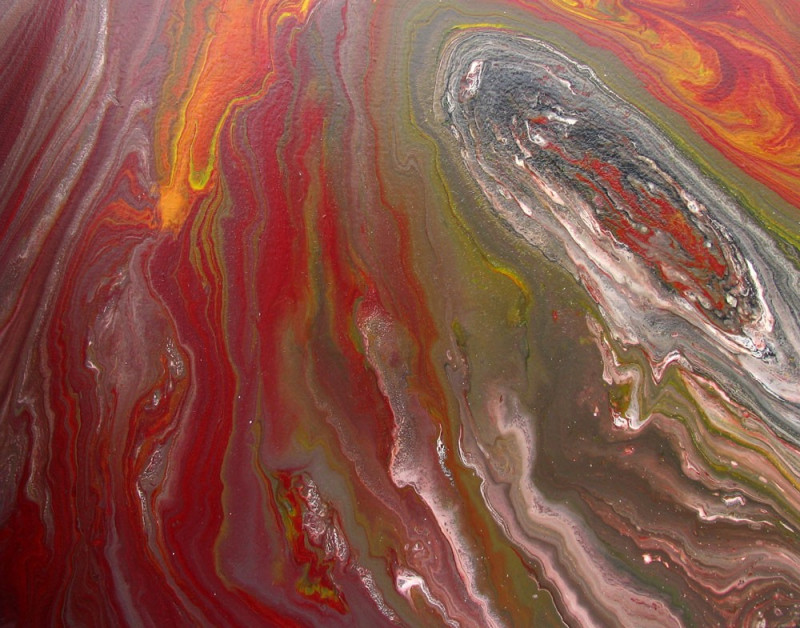
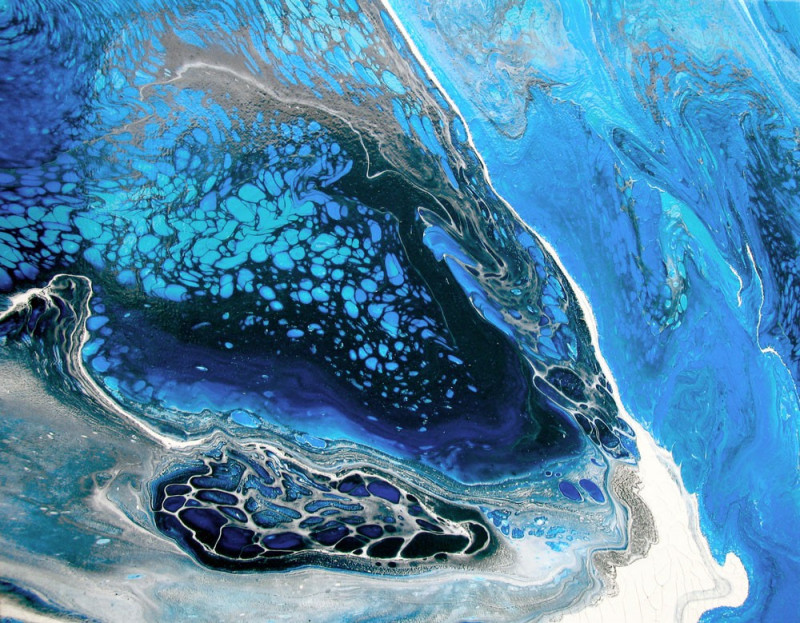
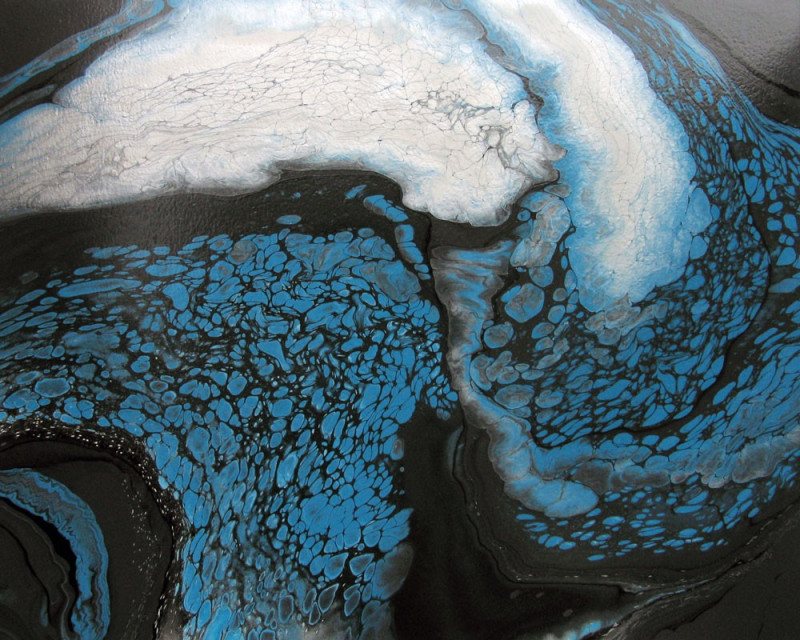
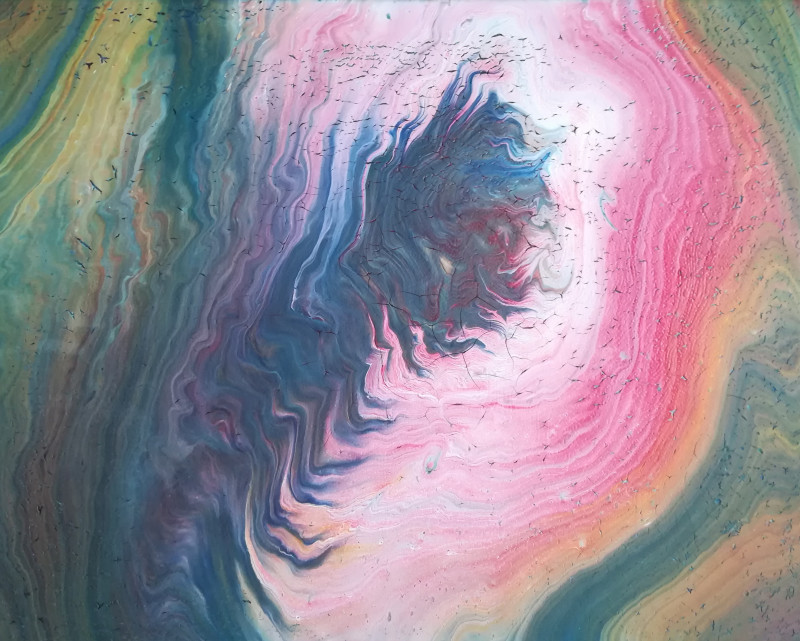
In sharp contrast to her realistic animal paintings, the second facet of her work ventures into abstraction. Drawing inspiration from the centuries-old philosophical and cultural heritage of the Far East, Žeimienė Vienis embraces a process she describes as both contemplative and impulsive. She applies poured paints, allowing them to spill and flow uninhibited across the surface, so colors interact, merge, and collect, forming abstract pieces that suggest natural events through their instinctive movement and organic shapes.
To Žeimienė Vienis, this abstract technique represents a form of meditation, with the main emphasis placed on the process rather than the finished product. She points out the importance of "the unrestricted flow of colour and controlled chance" in her creative decisions, producing works that capture the unpredictability and elegance of nature. In this way, through these two markedly different artistic directions, she demonstrates technical versatility, examining the interplay of realism and abstraction, discipline and improvisation.